Best YouTube Keywords for Growth in 2026: Data-Backed Strategies
The best YouTube keywords in 2026 balance moderate search volume with low competition — evergreen how-to queries, niche tutorial topics, and emerging AI-related terms offer the best growth opportunities.
YouTube keyword research has changed dramatically in 2026. With AI-generated content flooding generic topics, 200B+ daily Shorts views reshaping discovery, and Ask Studio AI transforming how creators find opportunities, the old playbook no longer works. This guide covers the keyword strategies, categories, and tools that actually drive growth right now.
Real Problems Creators Face with YouTube Keyword Research
After reviewing hundreds of creator discussions across Reddit, SEO forums, and YouTube communities, these are the most common frustrations with existing keyword research approaches.
Google Keyword Planner Isn't Built for YouTube
Many creators still use Google Keyword Planner for YouTube research, but YouTube's search algorithm works differently from Google. The search volumes don't translate, and keyword difficulty is calculated for web pages, not videos.
— Reddit user in r/youtubers
Generic SEO Tools Miss YouTube-Specific Metrics
Tools like Ahrefs (4.6/5 on G2) and SEMrush treat YouTube as an afterthought. They don't distinguish between browse traffic and search traffic — a distinction that's crucial for YouTube keyword strategy since most views come from browse, not search.
— SEO forum discussion
Expensive Plans for Basic Keyword Data
Most keyword tools charge $49–99/month just for search volume data. Free tiers show almost nothing useful, and basic features like keyword difficulty and trend data are locked behind premium tiers.
— Reddit user in r/NewTubers
No Trend Prediction or Seasonality Data
Creators can see what's popular right now, but no tool tells them what keywords will trend next month. By the time a keyword spike shows up in analytics, the window to create content has already passed.
— Creator discussion on r/youtube
How Modern Keyword Tools Solve These Problems
In This Guide
Key Takeaways
| Keyword Type | Best For | Key Strength |
|---|---|---|
| Evergreen How-To Keywords | Channels wanting long-term stable traffic | Compound views over months and years with no maintenance |
| Long-Tail Niche Keywords | Smaller channels under 10K subscribers | Low competition means faster ranking and loyal audience conversion |
| Question-Based Keywords | Tutorial and educational content creators | High viewer intent signals, frequent appearance in YouTube suggested results |
| Trending & Emerging AI Topics | Tech-adjacent channels willing to move fast | Early-mover advantage before saturation — massive short-term traffic spikes |
| Comparison Keywords | Creators in product review niches | High engagement, strong watch time, attracts decision-ready viewers |
Why YouTube Keywords Still Matter in 2026
Some creators believe keywords are dead because YouTube's algorithm has become so sophisticated at understanding content. That's only half true. The algorithm is smarter, but keywords remain the foundation of how YouTube categorizes, indexes, and recommends your content.
In 2026, YouTube processes over 800 hours of video uploaded every minute. Without clear keyword signals, your content gets lost in that ocean. Keywords tell YouTube what your video is about, who it's for, and when to recommend it.
What keywords do for your videos in 2026:
- ✓Search ranking — Keywords in your title and description directly determine where you appear in YouTube search results
- ✓Algorithm categorization — YouTube uses keywords to understand your content's topic and match it with relevant viewers
- ✓Suggested video placement — Keyword relevance influences whether your video appears alongside related content
- ✓Shorts discovery — Keywords in captions and hashtags help the Shorts algorithm surface your content to the right audience
- ✓Long-term discoverability — Well-optimized evergreen keywords continue driving views months and years after upload
The difference in 2026 is that keyword strategy must be more intentional. You can't just stuff keywords and expect results. You need to match keywords with genuine viewer intent, pair them with strong content, and understand which discovery surfaces each keyword type serves best.
8 Keyword Categories That Drive Growth
Not all keywords are equal. Understanding the different types helps you build a balanced strategy that drives both immediate traffic and long-term growth. Here are the eight categories that matter most in 2026.
Evergreen Keywords
Keywords with consistent search volume year-round. They build a stable foundation of views that compounds over time.
Example keywords:
- •how to edit videos for beginners
- •best budget cameras 2026
- •meal prep for weight loss
- •learn guitar chords for beginners
- •how to start a small business
Growth potential: Steady
Trending Keywords
Keywords tied to current events, product launches, or cultural moments. They spike fast and fade, but can drive massive short-term traffic.
Example keywords:
- •Apple Vision Pro 2 review
- •new YouTube feature 2026
- •AI video generator comparison
- •summer fashion trends 2026
- •world cup predictions 2026
Growth potential: Explosive (short-term)
Long-Tail Keywords
Highly specific phrases with lower search volume but much less competition. Perfect for smaller channels to rank quickly.
Example keywords:
- •how to color grade iPhone footage in DaVinci Resolve free
- •best mirrorless camera under 500 for YouTube beginners
- •vegan meal prep for college students on a budget
- •how to set up OBS for Twitch streaming on Mac
- •beginner watercolor painting supplies list 2026
Growth potential: Moderate (but consistent)
Question-Based Keywords
Keywords phrased as questions viewers type into search. They signal high intent and often appear in YouTube's suggested results.
Example keywords:
- •why is my YouTube video not getting views
- •what camera do YouTubers use in 2026
- •how does the YouTube algorithm work
- •is affiliate marketing still worth it
- •can you make money on YouTube with 1000 subscribers
Growth potential: High
Comparison Keywords
Head-to-head comparisons that attract viewers ready to make a decision. These have high engagement and strong watch time.
Example keywords:
- •iPhone 17 vs Samsung Galaxy S27
- •Premiere Pro vs DaVinci Resolve 2026
- •Notion vs Obsidian for students
- •TubeBuddy vs VidIQ which is better
- •electric car vs hybrid 2026 cost comparison
Growth potential: High
How-To Keywords
Tutorial-style keywords that attract viewers actively seeking to learn. These build authority and drive loyal subscribers.
Example keywords:
- •how to grow on YouTube in 2026
- •how to start a podcast with no audience
- •how to invest in index funds for beginners
- •how to build a gaming PC under 1000
- •how to create AI-generated thumbnails
Growth potential: High
Niche-Specific Keywords
Keywords tailored to specific communities and sub-niches. Lower volume, but viewers are highly engaged and more likely to subscribe.
Example keywords:
- •Ender 3 V3 best print settings PLA
- •Anki flashcard setup for medical students
- •sourdough bread troubleshooting sticky dough
- •mechanical keyboard sound comparison thocky
- •bouldering technique for overhangs beginner
Growth potential: Moderate (high subscriber conversion)
Shorts-Optimized Keywords
Keywords designed for YouTube Shorts discovery. With 200B+ daily Shorts views in 2026, this is a massive growth channel.
Example keywords:
- •satisfying cooking ASMR
- •one minute life hacks
- •AI art timelapse
- •gym motivation transformation
- •quick science experiments at home
Growth potential: Very High
Keyword Examples by Niche
Here are specific keyword examples across popular YouTube niches in 2026, with estimated volume and competition levels to help you prioritize.
Tech & Gadgets
| Keyword | Volume | Competition |
|---|---|---|
| best laptops for students 2026 | High | Medium |
| AI phone features you should try | Medium | Low |
| smart home setup guide beginner | High | Medium |
| is the Steam Deck 2 worth it | High | Low |
Gaming
| Keyword | Volume | Competition |
|---|---|---|
| best free games 2026 PC | Very High | Medium |
| GTA 6 tips and tricks beginner | Very High | High |
| cozy games like Stardew Valley 2026 | Medium | Low |
| gaming setup under 500 dollars | High | Medium |
Fitness & Health
| Keyword | Volume | Competition |
|---|---|---|
| home workout no equipment 30 min | High | Medium |
| protein shake recipes for muscle gain | Medium | Low |
| beginner gym routine full body | High | Medium |
| walking for weight loss results | High | Low |
Cooking & Food
| Keyword | Volume | Competition |
|---|---|---|
| 15 minute dinner recipes healthy | High | Medium |
| air fryer recipes for beginners | Very High | High |
| budget meal prep under 50 dollars | Medium | Low |
| viral TikTok recipes actually worth making | Medium | Low |
Education & Learning
| Keyword | Volume | Competition |
|---|---|---|
| how to study effectively for exams | High | Medium |
| learn Python programming from scratch 2026 | High | Medium |
| best free online courses 2026 | Medium | Low |
| note taking methods for students | Medium | Low |
Personal Finance
| Keyword | Volume | Competition |
|---|---|---|
| how to save money on a low income | High | Medium |
| best side hustles 2026 realistic | High | Medium |
| investing for beginners with 100 dollars | Medium | Low |
| credit score explained simply | Medium | Low |
Pro tip: The best opportunities are keywords with medium-to-high volume and low competition. Use these as your primary targets, then supplement with higher-competition keywords as your channel grows and gains authority.
Search vs Browse vs Shorts: Where Keywords Matter
YouTube has three major discovery surfaces in 2026, and keywords play a different role in each. Understanding this helps you optimize for the right audience at the right time.
YouTube Search
35% of discoveryViewers actively typing queries into the search bar. Keyword optimization directly impacts discoverability here.
Keyword optimization tips:
- •Target exact-match phrases viewers type
- •Place primary keyword in first 60 characters of title
- •Use keyword variations in description (first 2-3 sentences)
- •Add relevant tags covering keyword variations
Browse / Home Feed
40% of discoveryYouTube's algorithm recommends videos based on viewer history. Engagement signals matter more than keywords here.
Keyword optimization tips:
- •Optimize for click-through rate with compelling thumbnails
- •Use curiosity-driven titles that still include keywords
- •Focus on watch time and audience retention
- •Publish consistently to stay in algorithmic rotation
Shorts Feed
25% of discoveryWith 200B+ daily Shorts views in 2026, this is the fastest growing discovery surface on YouTube.
Keyword optimization tips:
- •Use trending audio and hashtags
- •Keep Shorts under 40 seconds for best retention
- •Add keyword-rich captions and descriptions
- •Cross-promote long-form content in Shorts
3 Advanced Keyword Research Strategies for 2026
Beyond basic keyword research, these strategies leverage competitor data, AI tools, and outlier analysis to find keywords others are missing.
The Competitor Keyword Gap Strategy
Analyze what keywords your competitors rank for, then find the gaps they're missing. This is one of the fastest ways to find proven keywords with less competition.
How to execute:
- 1Identify 5-10 competitors in your niche using OutlierKit or manual research
- 2List the topics and keywords their top-performing videos target
- 3Find keywords they rank for that you haven't covered
- 4Look for keywords where their videos underperform (low views = opportunity for better content)
- 5Create content targeting those gaps with your unique angle
The AI-First Keyword Discovery Strategy
In 2026, YouTube's Ask Studio AI and similar tools surface keyword opportunities directly from your analytics. Use AI to find what your audience already wants.
How to execute:
- 1Check YouTube Studio's search insights for queries leading to your videos
- 2Use Ask Studio AI to identify content gaps in your niche
- 3Analyze autocomplete suggestions for your core topics
- 4Cross-reference AI-suggested topics with actual search volume data
- 5Prioritize keywords where AI tools show rising interest trends
The Outlier-Driven Keyword Strategy
Find keywords by analyzing outlier videos — content that performs 3-10x above a channel's average. These outliers reveal exactly which keywords and topics audiences are hungry for.
How to execute:
- 1Use OutlierKit to identify outlier videos across competitor channels
- 2Extract the primary keywords from each outlier's title and description
- 3Group outlier keywords by theme to find patterns
- 4Target the keyword themes that appear across multiple outliers
- 5Create content on those topics before competitors catch the same pattern
How AI Content Is Changing Keyword Competition
The rise of AI video creation tools has reshaped the keyword landscape in 2026. With over 1 million channels now using AI content tools, competition for certain keyword categories has shifted dramatically. Here's what you need to know.
More Content, More Competition
AI tools let creators produce videos faster than ever. The result: more videos competing for the same keywords. Standing out now requires sharper keyword targeting and higher content quality.
AI-Generated Content Flooding Generic Keywords
Generic keywords like “top 10 apps” are increasingly saturated by AI-produced videos. The opportunity has shifted toward specific, experience-based keywords that AI content struggles to replicate authentically.
Ask Studio AI Changes Research
YouTube's Ask Studio AI (launched in 2025, widely adopted in 2026) lets creators query their analytics conversationally. This makes discovering keyword opportunities from your own data faster and more accessible.
AI-Powered Descriptions and Tags
YouTube now auto-generates descriptions and suggests tags using AI. Creators who still manually optimize with strategic keywords gain an edge over those relying solely on auto-generated metadata.
The AI-Proof Keyword Strategy
To stay ahead of AI-generated competition, focus on keywords that require:
- ✓Personal experience — “My honest review after 6 months”
- ✓Original expertise — “As a certified trainer, here's what works”
- ✓Community knowledge — Niche-specific terms only insiders use
- ✓Timely opinions — Hot takes on current events and new releases
- ✓Local context — Region-specific keywords AI tools often miss
- ✓Emotional storytelling — Keywords around personal journeys and stories
Best Keyword Research Tools for YouTube in 2026
The right tools transform keyword research from guesswork into a data-driven process. Here are the tools that deliver the best results for YouTube creators in 2026.
OutlierKit
From $16.6/mo
Analyzes competitor channels to reveal which keywords drive outlier performance. Shows you proven keywords based on actual video performance data, not just search volume estimates.
YouTube Search Autocomplete
FreeFree and underrated. Start typing a topic in YouTube's search bar and note the suggestions. These are real queries viewers are searching for right now.
YouTube Studio Search Insights
Free (built-in)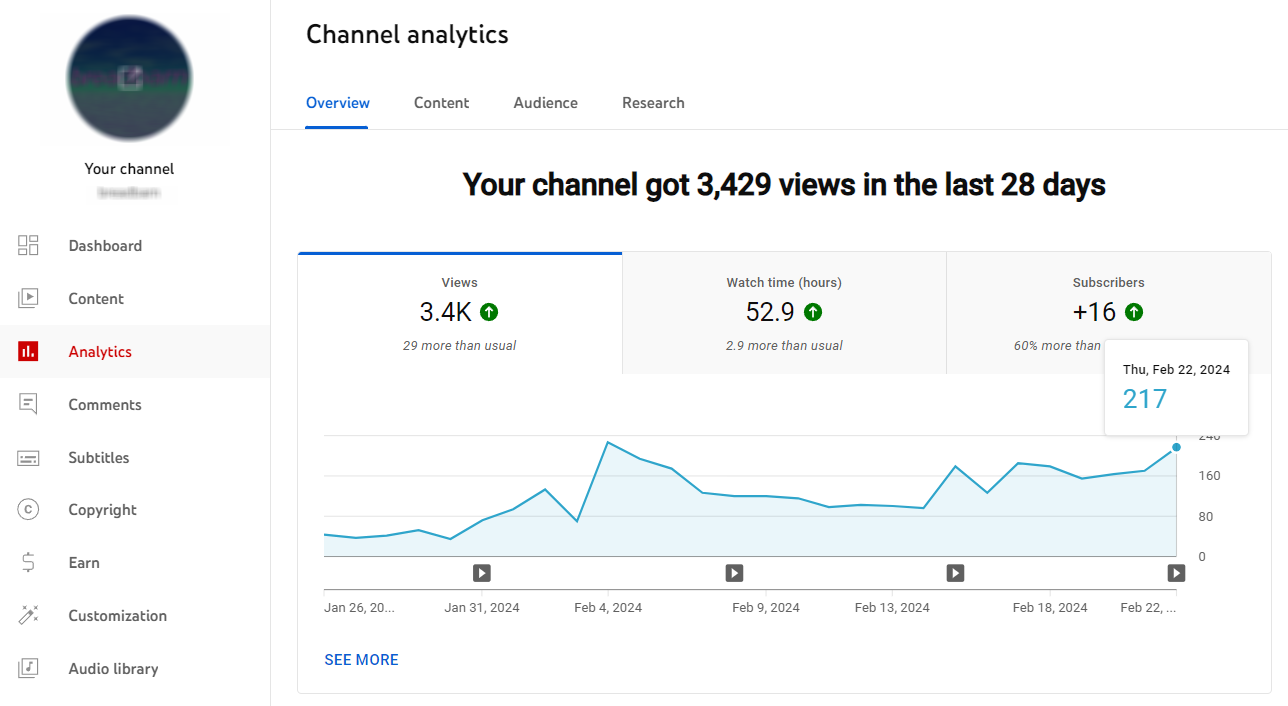
Built into YouTube Studio analytics. Shows what search terms viewers used to find your videos and which queries you're not yet ranking for.
VidIQ Keyword Inspector
Free - $39/mo
Provides search volume scores, competition ratings, and related keyword suggestions. The Boost plan unlocks predictive trending keywords.
TubeBuddy Keyword Explorer
Free - $26.50/mo
Offers keyword scores, competition analysis, and search volume estimates. Integrates directly into YouTube Studio via browser extension.
Google Trends
Free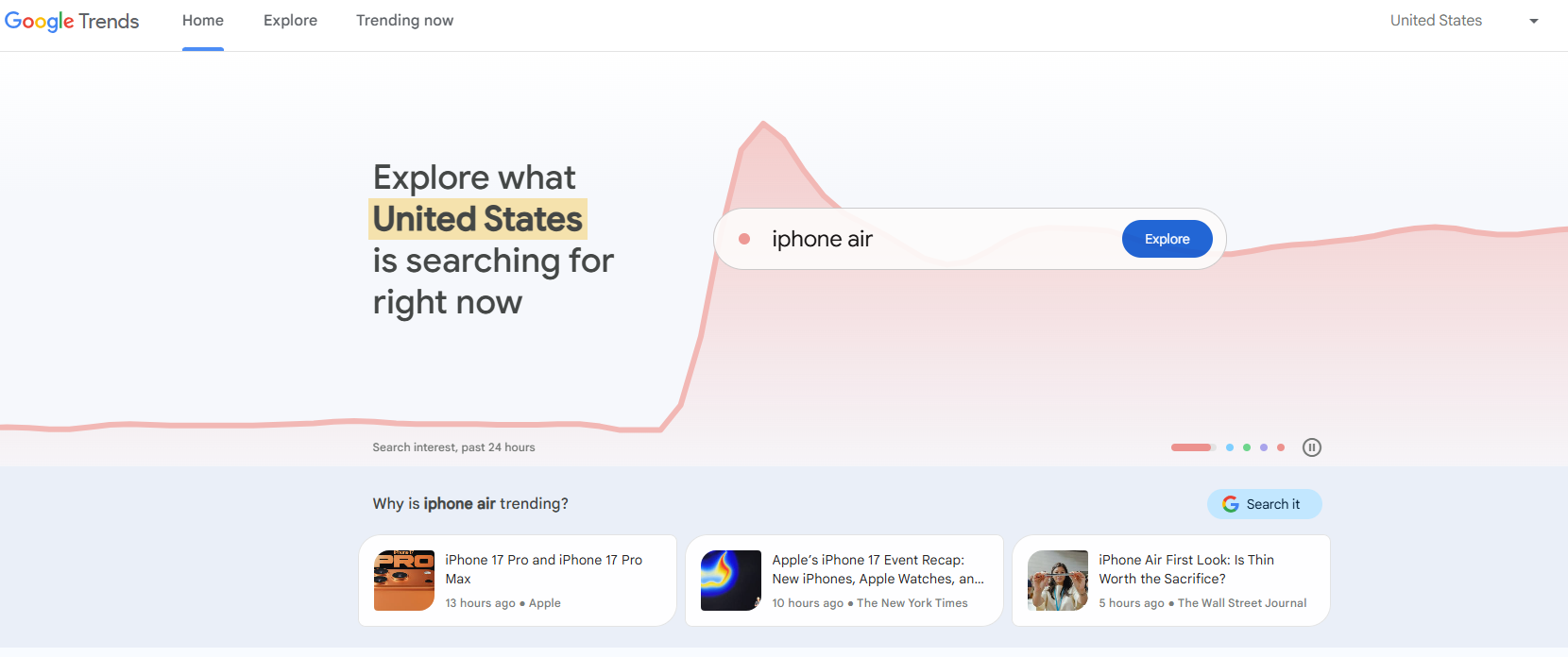
Shows relative search interest over time across Google and YouTube specifically. Excellent for validating whether a keyword is rising or declining.
How to Implement Keywords in Your Videos
Finding great keywords is only half the battle. You need to implement them correctly for YouTube to understand and rank your content. Here's exactly where and how to place your keywords.
Video Title
Your primary keyword should appear in the first 60 characters of your title. This is the single most important placement for YouTube SEO. Make it natural and clickable—don't sacrifice readability for keyword stuffing.
Good: “How to Grow on YouTube in 2026 (5 Data-Backed Strategies)”
Bad: “YouTube Growth YouTube Tips YouTube Strategy YouTube 2026 Guide”
Description
Include your primary keyword in the first 1-2 sentences of your description. YouTube reads the first 150-200 characters most carefully. Add secondary keywords naturally throughout the rest of the description.
Write at least 200 words. Include timestamps with keyword-rich labels. Add relevant links and a brief summary of what the video covers.
Tags
While tags have less direct impact than they once did, they still help YouTube understand your content's context. Use 5-8 tags: your primary keyword first, followed by variations and related terms.
Example: “youtube keywords 2026”, “best youtube keywords”, “youtube keyword research”, “youtube seo 2026”, “grow on youtube”
Spoken Content
YouTube transcribes your audio and uses it for ranking. Say your primary keyword within the first 30 seconds of the video and repeat it naturally 2-3 times throughout. This helps YouTube's AI understand your content's topic with high confidence.
YouTube's automatic captions are highly accurate in 2026. Your spoken keywords get indexed automatically—no extra effort needed beyond saying them clearly.
Thumbnail Text
While thumbnail text isn't directly indexed for SEO, it reinforces keyword relevance to viewers and improves click-through rate. Use 2-4 words that complement (not duplicate) your title keyword.
If your title says “Best YouTube Keywords 2026,” your thumbnail might say “KEYWORD SECRETS” or “#1 STRATEGY” for complementary messaging.
Important: Never sacrifice content quality for keyword optimization. YouTube's 2026 algorithm heavily weights viewer satisfaction signals (watch time, engagement, returning viewers). A perfectly optimized video that viewers don't enjoy will still fail. Keywords get viewers to click; content keeps them watching.
YouTube Keyword Use-Case Cheat Sheet
Find your scenario and the right choice:
| Scenario | Best Choice | Why |
|---|---|---|
| You have a brand new channel (under 1K subscribers) | Long-tail niche keywords | Lower competition lets smaller channels rank quickly and build authority |
| You want consistent traffic month after month | Evergreen how-to keywords | Year-round search demand means your video keeps driving views long after upload |
| You want fast, explosive growth even if short-lived | Trending keywords (product launches, AI news) | Early coverage of trending topics can deliver 100x normal views in 48-72 hours |
| You want to grow your subscriber count fastest | Niche-specific keywords | Niche viewers subscribe at 3-5x the rate of general audiences because content matches their specific interests |
| You run a product review channel | Comparison keywords (X vs Y) | Decision-ready viewers watch longer and click affiliate links at higher rates |
| You want to outperform AI-generated content | Experience-based and opinion-driven keywords | Authenticity and personal perspective are what AI content cannot replicate |
| You publish YouTube Shorts primarily | Shorts-optimized hashtags and trending audio keywords | Shorts discovery relies on hashtags, audio trends, and caption keywords more than traditional title SEO |
| You want to find keywords competitors haven't covered | Outlier-driven keyword discovery via OutlierKit | Analyzing competitor outlier videos reveals proven keywords with room for fresh content |
| You target a global audience in multiple countries | Broad evergreen keywords with universal appeal | Universal topics like fitness, cooking, and personal finance transcend geography for maximum reach |
Frequently Asked Questions
Basics
How many keywords should I target per video?
Focus on one primary keyword and 2-3 secondary keywords per video. Your primary keyword should appear in the title, first sentence of the description, and tags. Secondary keywords support the primary topic and can appear in the description and tags. Trying to target too many keywords dilutes your relevance for all of them.
Are tags still important for YouTube SEO in 2026?
Tags have minimal direct impact on rankings in 2026, but they still help YouTube understand your content's context. Use 5-8 relevant tags including your primary keyword and close variations. Don't spend too much time on tags — your title, thumbnail, and description matter far more for discoverability.
Finding Keywords
How do I find low-competition keywords on YouTube?
Use long-tail keywords (4-7 words) that target specific viewer intent. Check YouTube autocomplete for suggestions, look at competitor videos with high views but low subscriber channels (proves the keyword drives discovery), and use tools like OutlierKit to find keywords that drive outlier performance on smaller channels. The sweet spot is keywords with decent search volume where existing results are low quality.
Can I rank for competitive keywords with a small channel?
Yes, but focus on long-tail variations of competitive keywords. Instead of targeting “best cameras 2026,” target “best cameras for YouTube beginners under 500 2026.” Smaller channels can also win by being first to cover emerging topics, creating more comprehensive content than existing results, and building strong engagement signals (likes, comments, watch time) relative to views.
Comparisons
Should I optimize differently for YouTube Shorts vs long-form?
Yes. Shorts rely more on hashtags, trending audio, and visual hooks than traditional keyword optimization. For Shorts, use 3-5 relevant hashtags, a keyword-rich caption, and focus on the first frame grabbing attention. Long-form videos benefit more from title keywords, detailed descriptions, and tags. Both formats feed into each other — Shorts can drive viewers to your long-form content.
What is the best keyword research tool for YouTube in 2026?
It depends on your approach. For competitor-based keyword discovery, OutlierKit shows which keywords drive outlier video performance. For search volume data, VidIQ's Keyword Inspector is industry-leading. For free research, YouTube's own autocomplete and Studio search insights are underrated. Most successful creators use a combination of tools to validate keywords from multiple angles.
Strategy & Trends
How has AI content changed keyword competition in 2026?
AI-generated content has flooded generic, surface-level keywords with more competition. Keywords like “top 10 apps” or “best gadgets” now have thousands of AI-produced videos competing. The opportunity has shifted toward experience-based keywords, opinion-driven content, and niche-specific phrases where authenticity gives human creators an advantage over AI-generated content.
How often should I update my keyword strategy?
Review your keyword strategy monthly and do a deep refresh quarterly. YouTube's landscape shifts quickly — new trends emerge, AI tools create new competition, and viewer interests evolve. Monitor your YouTube Studio search insights weekly to catch rising keywords early. Seasonal keywords should be planned 4-6 weeks before their peak period.
Start Building Your 2026 Keyword Strategy Today
YouTube keyword research in 2026 isn't about finding one magic keyword. It's about building a systematic strategy that balances evergreen foundations with trending opportunities, long-tail specificity with broad reach, and search optimization with browse-driven discoverability.
The creators who grow fastest this year will be the ones who combine data-driven keyword research with authentic, high-quality content. AI has raised the floor for content production, which means the bar for standing out is higher than ever. But for creators who do the research and bring genuine expertise, the opportunity has never been bigger.
Need a repeatable process? See The OutlierKit Keyword Stack Method — a 4-layer framework (Seed, Expand, Validate, Prioritize) for building a compound keyword strategy from scratch.
Key takeaways:
- 1.Mix keyword categories: evergreen for stability, trending for spikes, long-tail for quick wins
- 2.Optimize for all three discovery surfaces: Search, Browse, and Shorts
- 3.Use competitor and outlier analysis to find proven keywords with less competition
- 4.Focus on experience-based and niche-specific keywords to outperform AI content
- 5.Review and refresh your keyword strategy monthly to stay ahead of shifting trends
Best YouTube Keyword Research Tool
Official Resources

Find the keywords your competitors are winning with
OutlierKit analyzes competitor channels to reveal which keywords drive outlier performance. Stop guessing which keywords to target — start with data.
Try OutlierKit Free