
Psychology Blueprint YouTube channel analysis
Psychology Blueprint is a YouTube channel with 4 subscribers and 1.0K total views, and an estimated $5 – $27/mo revenue. This analysis breaks down its outlier videos, content strategy, similar channels, revenue & valuation estimate.
Analysis generated with AI from public YouTube data. Revenue and valuation figures are estimates derived from public data, not financial advice.
Psychology Blueprint Channel Overview
lifetime totalsPsychology Blueprint Outlier Videos
breakouts ≥1.5× recent median


Psychology Blueprint Top Videos
biggest ever
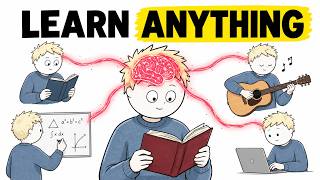



REPLICATE this channel immediately. With only 4 subscribers, it has achieved a massive 6.06x momentum and a 309-view top video by leveraging highly templated, faceless pop-psychology listicles that can be easily automated and scaled at near-zero cost.
Psychology Blueprint Niche & Positioning
An automated, listicle-driven channel analyzing human intelligence, generational traits, and social behaviors using high-curiosity hooks.
Psychology Blueprint Content Strategy
Highly searchable, evergreen behavioral analysis and personality listicles designed to trigger self-reflection or curiosity about others, supplemented by timely generational deep-dives.
Psychology Blueprint Outlier Playbook
the repeatable breakout formulaNarrator-led psychology explainers about a specific identity group the viewer either belongs to, knows, or judges: high-IQ people, Gen X, and emotionally immature men. The breakout combo is: an identity label with built-in ego/social curiosity + a hidden-truth angle + a diagnostic promise. The strongest example is "Psychology of People With High IQ | 10 Signs You Can´t Fake" because it lets viewers self-test for a desirable trait. "The Psychology Of Gen X (Nobody Talks About This Generation)" works because it frames an entire generation as overlooked and misunderstood. "The Psychology of Men Who Never Grow Up" works because it names a recognizable male archetype people want explained. No gue
"The Psychology of [specific identity group/archetype] + [hidden, validating, or judgmental twist]" or "Psychology of People With [high-status trait] | [number] Signs You Can't Fake." Best patterns from this channel: "Psychology of People With High IQ | 10 Signs You Can’t Fake," "The Psychology Of G
- 1Choose a group with identity tension, not a generic self-improvement topic: "people with high IQ," "Gen X," "men who never grow up," "people who intimidate others," or "people who don't need attention
- 2Frame the video as a reveal of something hard to fake, rarely discussed, or socially diagnostic. Use hooks like "10 Signs You Can’t Fake," "Nobody Talks About This," "Signs You Intimidate People Witho
- 3Use a list or archetype-breakdown structure: 7-10 signs, traits, behaviors, or psychological reasons. The channel's biggest winner used the clearest list promise: "10 Signs You Can’t Fake."
- 4Prioritize aspirational or validating identity angles over insulting broad negatives. "High IQ signs" beat "Everyday Habits That Reveal an Extremely Low IQ" because viewers want to confirm hidden inte
- 5For the next breakout, make a close sequel to the outliers: "Psychology of People With High IQ | 10 Behaviors That Give Them Away," "The Psychology of Gen X Men Nobody Understands," or "The Psychology
Psychology Blueprint Performance Drivers
Psychology Blueprint Topic Clusters
Psychology Blueprint Growth Opportunities
untapped whitespace- Introduce interactive community polls and personality quizzes to boost engagement among the quiet subscriber base.
- Create deep-dives into specific relationship dynamics, such as attachment styles or toxic personality traits, which are highly viral in this niche.
- Incorporate visual case studies of famous historical or fictional figures (e.g., analyzing Sherlock Holmes' IQ) to make abstract concepts more concrete.
- Develop a lead magnet, such as a downloadable 'Psychology Cheat Sheet' or personality test, to build an email list for monetization.
How Replicable Is Psychology Blueprint
The channel relies entirely on standard faceless stock footage, AI voiceovers, and templated listicle scripts, making it exceptionally easy to clone and scale with basic automation tools.
Psychology Blueprint Content Risks
- High vulnerability to YouTube's monetization policies regarding repetitive, auto-generated, or low-effort AI content.
- Low audience loyalty and brand equity due to the faceless, transactional nature of the content.
- Extreme competition from hundreds of identical faceless psychology channels using the same stock assets and scripts.
Who Watches Psychology Blueprint
estimated audienceEstimated from public channel data — titles, descriptions, metadata and co-watched channels. Not YouTube Analytics. medium confidence
This audience consists of analytical, self-reflective individuals—predominantly young to middle-aged adults—who are highly interested in pop-psychology, cognitive optimization, and social dynamics. They seek to understand their own behaviors (like overthinking or social withdrawal) and decode the actions of others through a psychological lens. They are drawn to structured, list-based content that validates their intellectual curiosity and offers practical frameworks for self-improvement.
Slight male skew
Anglosphere dominant, heavily concentrated in North America
What Psychology Blueprint's Audience Cares About
- Overthinking and chronic self-doubt
- Social anxiety and fear of awkwardness
- Burnout and lack of self-discipline
- Difficulty navigating modern relationship dynamics
- To decode complex human behaviors and social cues
- To validate their own introverted or highly analytical traits
- To optimize their learning speed and cognitive performance
Analytical, introspective, prone to solitary reflection, digitally native, and focused on self-optimization.
- Signs of high cognitive intelligence and fast learning techniques
- Behavioral analysis of introverts and socially selective individuals
- Generational trauma and workplace burnout patterns
- Psychological strategies for building mental resilience and self-discipline
- Decoding unspoken social cues and relationship dynamics
Prefers 8 to 12 minutes videos, analytical, objective, validating, and structured.
Inferred from: Titles targeting specific generational cohorts like Millennials and Gen X · Co-watch channels focused on Jungian psychology, IQ, and solitary self-improvement · High-curiosity hooks centered on cognitive traits and social intimidation
The audience is highly concentrated around introversion, high IQ, social anxiety, and generational psychology, with minor localized noise from European news and sports.


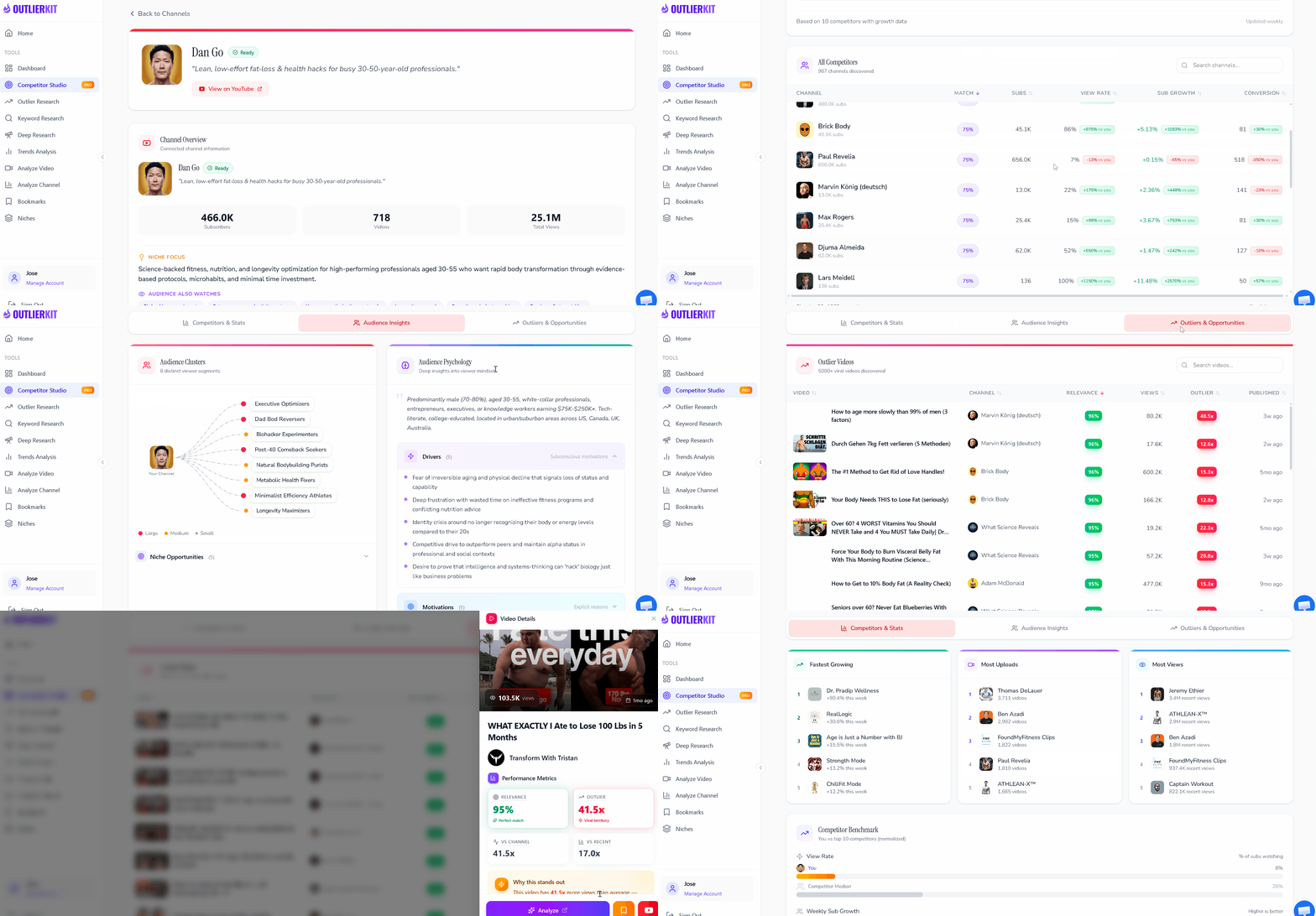
Track your whole niche in Competitor Studio
These are just the closest channels. Competitor Studio maps 1,000+ direct & adjacent channels in your niche — with outlier detection and ongoing tracking.
- Track 1,000+ direct & adjacent competitors
- Outlier video detection
- AI-powered video insights
Psychology Blueprint Revenue & Valuation
from public dataWe value Psychology Blueprint between $77 and $670, supported by a baseline floor of $59 and a high confidence rating. Please note that achieving the upper bounds of this valuation is an illustrative potential that would require you to actively execute key operational and monetization levers.
Estimates derived from public data (earnings history + comparable channels). Not an offer, appraisal, or financial advice.
Frequently asked questions about Psychology Blueprint
- How many subscribers does Psychology Blueprint have?
- Psychology Blueprint has 4 subscribers on YouTube, built up over roughly 0.2 years on the platform. Its videos average about 77 views each.
- How many views does Psychology Blueprint have?
- Psychology Blueprint has accumulated 1.0K total views across 13 uploads, averaging roughly 14 views per day since launch.
- How many videos has Psychology Blueprint posted?
- Psychology Blueprint has published 13 videos on YouTube, with recent uploads averaging about 8:35 in length.
- How engaged is Psychology Blueprint's audience?
- Over its lifetime, Psychology Blueprint has averaged about 250 views for every subscriber, a sign of how far its videos travel beyond the core subscriber base. On a per-video basis it draws roughly 77 views.
- How much money does Psychology Blueprint make?
- Psychology Blueprint's estimated YouTube revenue is $5 – $27 per month, including advertising and sponsorships (ad revenue alone is an estimated $4 – $9 per month). These are estimates derived from public data, not exact earnings.
- What is Psychology Blueprint's channel worth?
- Psychology Blueprint's YouTube channel is estimated to be worth $77 – $670, benchmarked against comparable channels. This reflects the value of the channel as a media asset, not the creator's total net worth.
- What is Psychology Blueprint's most popular video?
- Psychology Blueprint's most-viewed video is "Psychology of People With High IQ | 10 Signs You Can´t Fake", with 309 views — roughly 4.7× the channel's typical video.
- What is Psychology Blueprint's biggest recent breakout video?
- Psychology Blueprint's biggest recent breakout is "Psychology of People With High IQ | 10 Signs You Can´t Fake", which pulled 309 views — about 4.7× the channel's recent median.
- What kind of content does Psychology Blueprint make?
- Psychology Blueprint is best described as Faceless Pop-Psychology & Behavioral Archetypes. An automated, listicle-driven channel analyzing human intelligence, generational traits, and social behaviors using high-curiosity hooks.
- Does Psychology Blueprint post Shorts or long-form videos?
- Psychology Blueprint publishes primarily long-form videos (about 100% of recent uploads), averaging around 8:35 in length.
- What topics does Psychology Blueprint cover?
- Psychology Blueprint's catalogue spans Intelligence & Cognitive Traits, Generational Psychology, Social & Relationship Archetypes and Mental Strength & Self-Discipline. These recurring themes make up the bulk of the channel's uploads.
- Who watches Psychology Blueprint?
- Psychology Blueprint's audience skews 25-34, slight male skew and based anglosphere dominant, heavily concentrated in north america. This audience consists of analytical, self-reflective individuals—predominantly young to middle-aged adults—who are highly interested in pop-psychology, cognitive optimization, and social dynamics. They seek to understand their own behaviors (like overthinking or social withdrawal) and decode the actions of others through a psychological lens. They are drawn to structured, list-based content that validates their intellectual curiosity and offers practical frameworks for self-improvement. These are estimates inferred from public channel data, not YouTube Analytics.
- What is Psychology Blueprint's audience interested in?
- Viewers of Psychology Blueprint tend to be interested in Pop-psychology, Cognitive optimization, Personality archetypes, Self-improvement and Generational sociology. Estimated from the channel's content and the channels its viewers co-watch.
- What channels are similar to Psychology Blueprint?
- Channels with audiences similar to Psychology Blueprint include Turn Wiser, PsychToons, Koo Psychology, Apex Psychology and Psychology Wellness. The audience is highly concentrated around introversion, high IQ, social anxiety, and generational psychology, with minor localized noise from European news and sports.
- How often does Psychology Blueprint post?
- Psychology Blueprint uploads about 5.4 videos per week (roughly 22.9 per month).
- Is Psychology Blueprint still active on YouTube?
- Yes — Psychology Blueprint is actively posting. Its most recent upload was 14 days ago.
- How long has Psychology Blueprint been on YouTube?
- Psychology Blueprint has been active on YouTube for about 0.2 years, growing to 4 subscribers over that time.
How this analysis was made
- Source: public YouTube channel & video data (13 recent videos sampled).
- Outlier videos: uploads with ≥1.5× the channel's recent median views.
- Revenue & valuation: estimated from public earnings signals and comparable channels — ranges, not exact figures.
- Last updated: 10/15/2026.