
After Skool is a YouTube channel with 3.8M subscribers and 286.2M total views, and an estimated $5K – $17K/mo revenue. This analysis breaks down its outlier videos, content strategy, similar channels, revenue & valuation estimate.
Analysis generated with AI from public YouTube data. Revenue and valuation figures are estimates derived from public data, not financial advice.
After Skool Channel Overview
lifetime totalsAfter Skool Outlier Videos
breakouts ≥1.5× recent median
After Skool Top Videos
biggest ever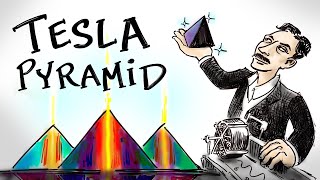




After Skool is a highly successful, premium educational channel that leverages hand-drawn whiteboard animations to synthesize complex ideas from elite thinkers. While its 3.78M subscribers and high median views (502,000) prove massive market demand, replication is gated by intense illustration labor and the legal/operational complexities of licensing third-party audio.
After Skool Niche & Positioning
Visual translation of complex philosophical, psychological, and scientific lectures into highly engaging, hand-drawn whiteboard animations.
After Skool Content Strategy
Timeless philosophical, psychological, and scientific concepts illustrated via hand-drawn whiteboard animations, occasionally interspersed with timely commentary on cultural shifts like AI and modern societal anxieties.
After Skool Outlier Playbook
the repeatable breakout formulaAfter Skool breakouts happen when a big present-day anxiety is turned into an animated philosophical/civilizational lesson with a counterintuitive reversal. The strongest version is: timely threat or cultural rot topic like AI slop, AI apocalypse, dopamine/porn/addiction, surveillance, antidepressants, endocrine disruptors, population collapse, civilization collapse, or social conformity + a timeless frame from philosophy, psychology, ancient wisdom, or banned/contrarian science + a recognizable thinker or archetype. Examples in the data: “How Ai Slop will Spark the Next Human Renaissance” works because it takes the current AI-content panic and flips it into a human-meaning renaissance; “Is
“How/Why [modern crisis, taboo, or invisible force] [secretly creates/destroys/reveals] [deep human truth] - [recognized thinker]” OR “The [Myth/Secret/Power/Art/Meaning] of [timeless concept] - [authority]”. Winning examples: “How Ai Slop will Spark the Next Human Renaissance”, “Why Smart People Be
- 1Pick a topic that is already emotionally charged in the culture, then frame it as a hidden civilizational or psychological pattern: AI slop, surveillance, dopamine addiction, pornography, endocrine di
- 2Attach the topic to a high-trust or high-curiosity authority from the channel’s proven roster: Andrew Huberman for brain/body protocols, Mark Manson for modern philosophy, Alan Watts/Ram Dass/Lao Tzu/
- 3Build the video around one paradoxical thesis, not a broad explainer: AI slop can cause a human renaissance; good intentions create the Cobra Effect; smart people believe stupid things; safety creates
- 4Package it as an animated After Skool lesson: compressed 10-20 minute whiteboard-style visual storytelling, one central argument, memorable metaphors, historical examples, and a final meaning/self-mas
- 5Title it with a high-stakes reveal or reversal: use “How”, “Why”, “The Myth”, “The Secret”, “The Power”, “The Profound Meaning”, or “Is [doom outcome] inevitable?” and make the payoff existential, pra
After Skool Performance Drivers
After Skool Topic Clusters
After Skool Growth Opportunities
untapped whitespace- Launch interactive digital companion workbooks, illustrated PDF summaries, or journals to monetize the highly engaged self-improvement and philosophy audience.
- Develop serialized multi-part narrative biographies of historical thinkers (e.g., Carl Jung, Nikola Tesla, or Friedrich Nietzsche) to drive higher binge-watching behavior.
- Establish a B2B licensing arm to package high-quality animations of complex topics (like sleep science, focus, or communication) as training modules for schools and corporate wellness programs.
- Leverage YouTube's multi-language audio track feature to dub the voiceovers into Spanish, Portuguese, and Hindi, unlocking massive global markets with the channel's universally understood visual format.
How Replicable Is After Skool
While the whiteboard animation style itself can be systematized and outsourced, securing the rights or finding high-quality, copyright-compliant audio clips from prominent public figures and maintaining the exceptional level of artistic curation is a significant barrier to entry.
After Skool Content Risks
- Copyright and Fair Use Vulnerability: Relying entirely on third-party audio clips (podcasts, lectures, TED talks) leaves the channel highly exposed to copyright strikes, manual claims, or sudden chang
- High Production Bottleneck: The hand-drawn whiteboard animation style is incredibly labor-intensive and slow to produce, limiting upload frequency to ~0.6 videos per week and making it difficult to sc
- Platform Dependence on External Audio Sources: If major podcast networks or public figures restrict the use of their audio, the channel's core content pipeline could be severely disrupted.
Who Watches After Skool
estimated audienceEstimated from public channel data — titles, descriptions, metadata and co-watched channels. Not YouTube Analytics. high confidence
The After Skool audience is a highly curious, self-reflective group of primarily young to middle-aged adults who seek intellectual growth, mental optimization, and philosophical grounding. They are drawn to deep psychology, ancient wisdom, and biohacking, often looking for alternative perspectives to mainstream narratives to help them navigate the complexities and digital distractions of modern life.
Majority Male
Primarily English-speaking Western nations, with a global footprint of English-fluent intellectual seekers.
What After Skool's Audience Cares About
- Digital distraction, dopamine addiction, and information overload
- Existential anxiety and lack of clear life purpose
- Skepticism of mainstream institutional narratives and scientific dogmas
- The psychological toll of modern societal polarization and screen time
- To understand the deeper psychological forces driving human behavior
- To build emotional resilience and mental clarity
- To optimize physical and cognitive performance using science-backed protocols
- To explore profound philosophical questions in an accessible, visual format
Mindful but optimization-focused; likely engages in habits like journaling, meditation, or structured morning routines; consumes long-form podcasts and non-fiction books; values offline, analog experiences.
- How Stoicism and Marcus Aurelius can build modern mental resilience
- The neuroscience of dopamine detox and reclaiming deep focus
- Carl Jung's guide to integrating the shadow self
- Alternative theories on lost ancient civilizations and cosmic cycles
- How modern digital algorithms and AI are reshaping human consciousness
Prefers 10 to 20 minutes (comprehensive but highly digestible) videos, contemplative, intellectual, counter-cultural, and deeply reflective.
Inferred from: Co-watch channels focus heavily on consciousness, practical philosophy, and science (Pursuit of Wonder, Aperture, Kurzgesagt). · Video subjects feature prominent figures in self-optimization, depth psychology, and alternative science (Andrew Huberman, Carl Jung, Alan Watts, Rupert Sheldra · The channel's explicit 'NOT AI' hand-drawn whiteboard aesthetic appeals directly to an audience that values analog craftsmanship and authentic human expression.
The audience is highly consolidated around deep psychological insights, philosophical existentialism, neuroscience, and digital-age mental optimization, showing almost no interest in low-effort entertainment.


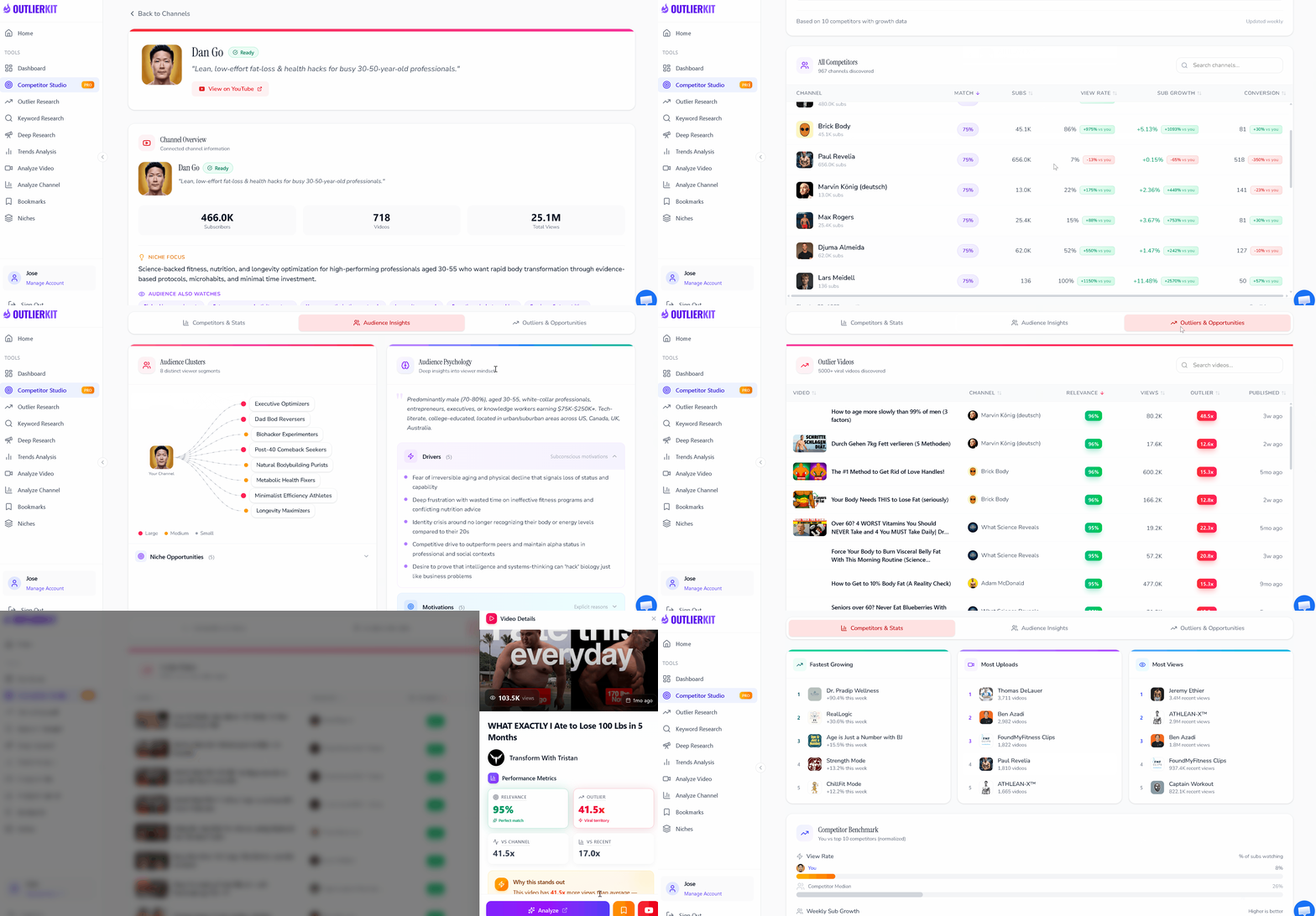
Track your whole niche in Competitor Studio
These are just the closest channels. Competitor Studio maps 1,000+ direct & adjacent channels in your niche — with outlier detection and ongoing tracking.
- Track 1,000+ direct & adjacent competitors
- Outlier video detection
- AI-powered video insights
After Skool Revenue & Valuation
from public dataYour business is valued between $87,070 and $444,279, supported by a high-confidence floor of $66,977. This valuation reflects your strong brand, with further potential appreciation if key operational levers are executed.
Estimates derived from public data (earnings history + comparable channels). Not an offer, appraisal, or financial advice.
Frequently asked questions about After Skool
- How many subscribers does After Skool have?
- After Skool has 3.8M subscribers on YouTube, built up over roughly 10.2 years on the platform. Its videos average about 1.1M views each.
- How many views does After Skool have?
- After Skool has accumulated 286.2M total views across 253 uploads, averaging roughly 77.2K views per day since launch.
- How many videos has After Skool posted?
- After Skool has published 253 videos on YouTube, with recent uploads averaging about 14:59 in length.
- How engaged is After Skool's audience?
- Over its lifetime, After Skool has averaged about 76 views for every subscriber, a sign of how far its videos travel beyond the core subscriber base. On a per-video basis it draws roughly 1.1M views.
- How much money does After Skool make?
- After Skool's estimated YouTube revenue is $5K – $17K per month, including advertising and sponsorships (ad revenue alone is an estimated $4K – $6K per month). These are estimates derived from public data, not exact earnings.
- What is After Skool's channel worth?
- After Skool's YouTube channel is estimated to be worth $87K – $444K, benchmarked against comparable channels. This reflects the value of the channel as a media asset, not the creator's total net worth.
- What is After Skool's most popular video?
- After Skool's most-viewed video is "Nikola Tesla - Limitless Energy & the Pyramids of Egypt", with 10.0M views — roughly 19.9× the channel's typical video.
- What is After Skool's biggest recent breakout video?
- After Skool's biggest recent breakout is "How Ai Slop will Spark the Next Human Renaissance", which pulled 1.6M views — about 3.2× the channel's recent median.
- What kind of content does After Skool make?
- After Skool is best described as Illustrated Philosophy & Self-Development. Visual translation of complex philosophical, psychological, and scientific lectures into highly engaging, hand-drawn whiteboard animations.
- Does After Skool post Shorts or long-form videos?
- After Skool publishes primarily long-form videos (about 100% of recent uploads), averaging around 14:59 in length.
- What topics does After Skool cover?
- After Skool's catalogue spans Depth Psychology & Archetypes, Neuroscience, Biology & Health Optimization, Classical Philosophy & Ancient Wisdom, Alternative History, Ancient Civilizations & Cosmology, Modern Cultural Commentary & Social Issues and AI, Technology & Future of Humanity. These recurring themes make up the bulk of the channel's uploads.
- Who watches After Skool?
- After Skool's audience skews 25-34, majority male and based primarily english-speaking western nations, with a global footprint of english-fluent intellectual seekers.. The After Skool audience is a highly curious, self-reflective group of primarily young to middle-aged adults who seek intellectual growth, mental optimization, and philosophical grounding. They are drawn to deep psychology, ancient wisdom, and biohacking, often looking for alternative perspectives to mainstream narratives to help them navigate the complexities and digital distractions of modern life. These are estimates inferred from public channel data, not YouTube Analytics.
- What is After Skool's audience interested in?
- Viewers of After Skool tend to be interested in Depth psychology and Jungian archetypes, Stoicism and Eastern philosophy, Neuroscience and biohacking, Alternative history and lost civilizations and Critiques of modern digital culture and AI. Estimated from the channel's content and the channels its viewers co-watch.
- What channels are similar to After Skool?
- Channels with audiences similar to After Skool include Pursuit of Wonder, Mark Manson, PsychToons, Aperture and Clark Kegley. The audience is highly consolidated around deep psychological insights, philosophical existentialism, neuroscience, and digital-age mental optimization, showing almost no interest in low-effort entertainment.
- How often does After Skool post?
- After Skool uploads about 0.6 videos per week (roughly 2.5 per month).
- Is After Skool still active on YouTube?
- Yes — After Skool is actively posting. Its most recent upload was 3 days ago.
- How long has After Skool been on YouTube?
- After Skool has been active on YouTube for about 10.2 years, growing to 3.8M subscribers over that time.
How this analysis was made
- Source: public YouTube channel & video data (120 recent videos sampled).
- Outlier videos: uploads with ≥1.5× the channel's recent median views.
- Revenue & valuation: estimated from public earnings signals and comparable channels — ranges, not exact figures.
- Last updated: 9/18/2026.