
Parentitude YouTube channel analysis
Parentitude is a YouTube channel with 76.8K subscribers and 6.9M total views, and an estimated $89 – $290/mo revenue. This analysis breaks down its outlier videos, content strategy, similar channels, revenue & valuation estimate.
Analysis generated with AI from public YouTube data. Revenue and valuation figures are estimates derived from public data, not financial advice.
Parentitude Channel Overview
lifetime totalsParentitude Outlier Videos
breakouts ≥1.5× recent median




Parentitude Top Videos
biggest ever


REPLICATE. This channel operates on a highly systematic, faceless-friendly blueprint that translates complex child psychology into high-friction, curiosity-driven hooks. While its median views are modest (2,700), its formulaic approach to packaging cultural secrets and neurodivergence checklists consistently triggers massive algorithmic breakout hits (up to 824,000 views) with low production complexity.
Parentitude Niche & Positioning
Actionable, science-backed parenting advice framed through cross-cultural rules, neurodivergence checklists, and high-stakes behavioral interventions.
Parentitude Content Strategy
An entirely evergreen library addressing timeless parenting anxieties, developmental milestones, and behavioral struggles using urgent, counter-intuitive framing.
Parentitude Outlier Playbook
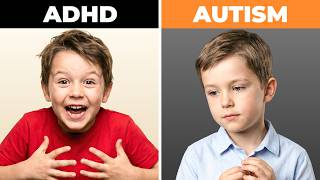
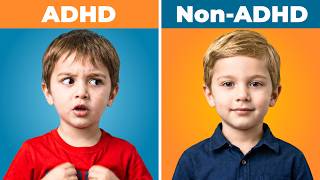
the repeatable breakout formulaParentitude breakouts come from packaging a high-anxiety parenting problem as a simple, authoritative fix parents feel they can use today. The strongest repeatable version is: a foreign/cultural parenting rule or tiny timed response + one universal daily battle + a reassuring anti-conflict promise. Examples: “The Japanese Rule That Teaches Kids Self-Discipline (Not Blind Obedience),” “The French Rule That Ends Picky Eating (No More Battles),” “The 5-Second Japanese Parenting Trick That Teaches Kids Responsibility,” and “The 3 Second Response That Stops Backtalk Completely.” The second breakout lane is diagnostic certainty for worried parents: ADHD/autism/developmental-delay/milestone videos
“The [Country/Time/Number] [Rule/Method/Response/Checklist] That [Solves Specific Parenting Pain] ([Reassuring Contrast])” or “10 Subtle [Signs/Differences] of [ADHD/Autism/Delay] [Most Parents Miss]”. Best hooks use one concrete pain: picky eating, backtalk, not listening, self-discipline, mileston
- 1Pick one proven breakout pain, not a broad parenting theme: picky eating, backtalk, not listening, ADHD vs autism confusion, missed ADHD signs, 0–12 month milestones, bullying/confidence, or child sel
- 2Attach borrowed authority to the solution: Japanese rule/trick for discipline or responsibility, French rule for eating, a 3-second/5-second response for backtalk/listening, or a clinical checklist fo
- 3Frame the hook around parent relief and misconception: “not blind obedience,” “no more battles,” “most parents miss,” “stop repeating yourself,” “without yelling,” or “only one is a red flag.”
- 4Use a tight, utility-first format: one named rule explained through 3 steps, a numbered checklist of 10 subtle signs/differences, or an 11-minute complete guide like “Bully-Proof Your Child in 11 Minu
- 5Make the next video a direct sibling of an existing outlier: for example, “The Japanese 5-Second Rule That Stops Whining Without Bribes,” “The French Dinner Rule That Stops Toddler Food Battles,” “10
Parentitude Performance Drivers
Parentitude Topic Clusters
Parentitude Growth Opportunities
untapped whitespace- Age-specific playlist segmentation (e.g., 'The Toddler Blueprint' vs 'The School-Age Guide') to retain parents as their children grow and prevent subscriber churn.
- Digital productization of high-performing videos, offering downloadable PDF checklists for the '10 Subtle Signs' or '3-Step Methods' in the video descriptions.
- Expanding on underserved fatherhood demographics by scaling up the highly successful but rare dad-specific topics (e.g., 'Things Every Dad Must Teach His Son').
- Introducing community-driven case study teardowns, analyzing real-world parenting dilemmas submitted by subscribers to build deeper brand loyalty.
How Replicable Is Parentitude
The channel relies entirely on highly structured, formulaic script templates, stock/B-roll visual editing, and voiceover delivery, requiring no proprietary access, unique face-of-the-brand talent, or complex production setups.
Parentitude Content Risks
- Extreme reliance on outlier algorithmic hits to sustain channel views, leaving the channel vulnerable to severe traffic drops during low-performing periods (median views of 2,700).
- Low audience-to-creator loyalty due to the faceless, highly transactional nature of the content, making it difficult to launch high-margin community memberships.
- Vulnerability to platform policy shifts regarding AI-voiced or highly templated compilation/stock-footage channels.
Who Watches Parentitude
estimated audienceEstimated from public channel data — titles, descriptions, metadata and co-watched channels. Not YouTube Analytics. high confidence
The Parentitude audience consists of highly intentional, modern parents (primarily aged 25-44) who reject traditional authoritarian parenting but find permissive 'gentle parenting' difficult to execute. They are deeply invested in their children's cognitive and emotional development, with a specific, heightened interest in identifying neurodivergent traits (ADHD, Autism) and implementing positive discipline. They appreciate structured, cross-cultural parenting philosophies (e.g., Japanese, French methods) and seek science-backed, empathetic, and highly actionable solutions to restore household peace.
Skews female, representing mothers who are the primary researchers of parenting
A global English-speaking audience, heavily concentrated in Western countries with high awareness of neurodivergence, alongside a significant urban, educated South Asian demographic.
What Parentitude's Audience Cares About
- Parental burnout and losing temper during toddler tantrums
- Anxiety over missed developmental milestones or undiagnosed neurodivergence
- Managing screen time addiction and digital overstimulation
- Handling boundary pushback from grandparents or school environments
- To understand the 'why' behind challenging child behaviors
- To raise confident, emotionally regulated children without relying on yelling or empty threats
- To find practical, low-stress behavioral hacks that actually work in real-time
Busy, modern, often dual-income households striving to balance professional lives with highly intentional, conscious parenting.
- How to identify early signs of ADHD and Autism in girls vs. boys
- The neuroscience of toddler tantrums and how to co-regulate
- Comparing Japanese, French, and Nordic parenting styles for self-discipline
- Practical alternatives to gentle parenting when dealing with extreme defiance
- How to manage screen time addiction and digital dopamine loops in young kids
Prefers 10-15 minutes (long-form videos that allow for scientific ex videos, empathetic, authoritative, science-backed, structured, and reassuring.
Inferred from: High co-watch overlap with autism and ADHD parenting support channels like Aussie Autism Family and Dr. Mary Barbera. · Top-performing videos focus heavily on identifying subtle signs of neurodivergence and cross-cultural discipline rules (Japanese/French). · English-language titles combined with a Bangladesh channel origin suggest an educated, global South and Western demographic seeking modern parenting frameworks.
The audience is highly concentrated around pediatric neurodivergence (ADHD/Autism) and science-backed behavioral management, with only minor leakage into general self-improvement and language learning.


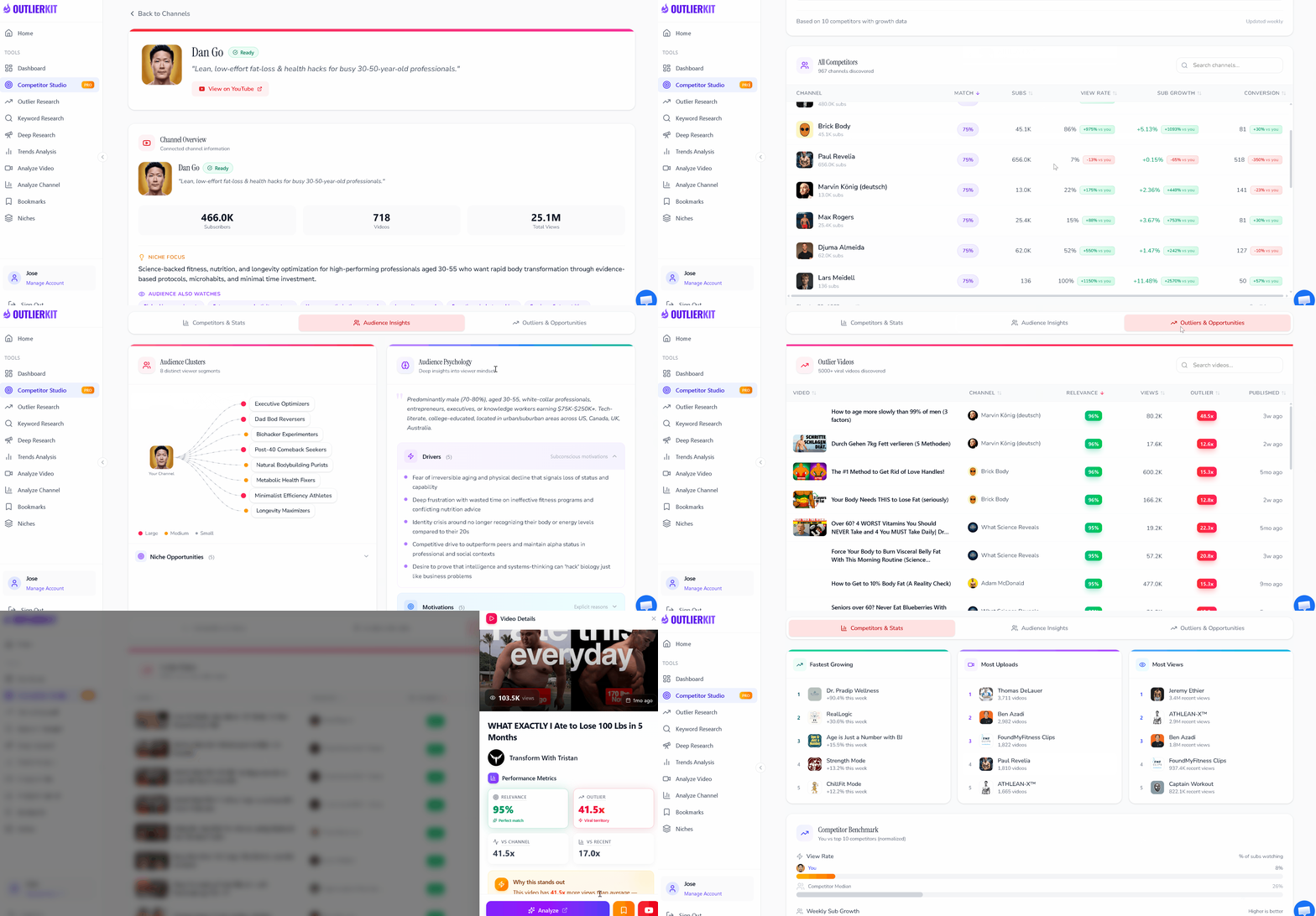
Track your whole niche in Competitor Studio
These are just the closest channels. Competitor Studio maps 1,000+ direct & adjacent channels in your niche — with outlier detection and ongoing tracking.
- Track 1,000+ direct & adjacent competitors
- Outlier video detection
- AI-powered video insights
Parentitude Revenue & Valuation
from public dataWe estimate Parentitude's current valuation to be between $1,215 and $6,189, supported by a baseline floor of $935 with high confidence. This valuation reflects your current operational baseline, though executing on key growth levers offers illustrative potential to expand this value over time.
Estimates derived from public data (earnings history + comparable channels). Not an offer, appraisal, or financial advice.
Frequently asked questions about Parentitude
- How many subscribers does Parentitude have?
- Parentitude has 76.8K subscribers on YouTube, built up over roughly 0.9 years on the platform. Its videos average about 51.0K views each.
- How many views does Parentitude have?
- Parentitude has accumulated 6.9M total views across 136 uploads, averaging roughly 21.2K views per day since launch.
- How many videos has Parentitude posted?
- Parentitude has published 136 videos on YouTube, with recent uploads averaging about 13:23 in length.
- How engaged is Parentitude's audience?
- Over its lifetime, Parentitude has averaged about 90 views for every subscriber, a sign of how far its videos travel beyond the core subscriber base. On a per-video basis it draws roughly 51.0K views.
- How much money does Parentitude make?
- Parentitude's estimated YouTube revenue is $89 – $290 per month, including advertising and sponsorships (ad revenue alone is an estimated $68 – $97 per month). These are estimates derived from public data, not exact earnings.
- What is Parentitude's channel worth?
- Parentitude's YouTube channel is estimated to be worth $1K – $6K, benchmarked against comparable channels. This reflects the value of the channel as a media asset, not the creator's total net worth.
- What is Parentitude's most popular video?
- Parentitude's most-viewed video is "The Korean Method to Calm Tantrums in 60 Seconds", with 2.6M views — roughly 963× the channel's typical video.
- What is Parentitude's biggest recent breakout video?
- Parentitude's biggest recent breakout is "The Japanese Rule That Teaches Kids Self-Discipline (Not Blind Obedience)", which pulled 824.0K views — about 305.2× the channel's recent median.
- What kind of content does Parentitude make?
- Parentitude is best described as Child Development & Behavioral Psychology Hacks. Actionable, science-backed parenting advice framed through cross-cultural rules, neurodivergence checklists, and high-stakes behavioral interventions.
- Does Parentitude post Shorts or long-form videos?
- Parentitude publishes primarily long-form videos (about 100% of recent uploads), averaging around 13:23 in length.
- What topics does Parentitude cover?
- Parentitude's catalogue spans Acute Behavioral Interventions (Tantrums, Defiance, Backtalk), Parental Communication Pitfalls & Mindset Shifts, Infant & Toddler Developmental Milestones & Care, Neurodivergence & Developmental Delay Identification and Cross-Cultural Parenting Philosophies. These recurring themes make up the bulk of the channel's uploads.
- Who watches Parentitude?
- Parentitude's audience skews 25-34, skews female, representing mothers who are the primary researchers of parenting and based a global english-speaking audience, heavily concentrated in western countries with high awareness of neurodivergence, alongside a significant urban, educated south asian demographic.. The Parentitude audience consists of highly intentional, modern parents (primarily aged 25-44) who reject traditional authoritarian parenting but find permissive 'gentle parenting' difficult to execute. They are deeply invested in their children's cognitive and emotional development, with a specific, heightened interest in identifying neurodivergent traits (ADHD, Autism) and implementing positive discipline. They appreciate structured, cross-cultural parenting philosophies (e.g., Japanese, French methods) and seek science-backed, empathetic, and highly actionable solutions to restore household peace. These are estimates inferred from public channel data, not YouTube Analytics.
- What is Parentitude's audience interested in?
- Viewers of Parentitude tend to be interested in Child psychology and brain development, Neurodivergence advocacy and early intervention (ADHD/Autism), Positive discipline and respectful parenting, Cross-cultural education and global parenting philosophies and Mindfulness and parental mental health. Estimated from the channel's content and the channels its viewers co-watch.
- What channels are similar to Parentitude?
- Channels with audiences similar to Parentitude include Real Talk Parenting, OurFamilyLove, 7-Ahead, The Parenting Studio and The Guided Path- with Brendan Jamieson. The audience is highly concentrated around pediatric neurodivergence (ADHD/Autism) and science-backed behavioral management, with only minor leakage into general self-improvement and language learning.
- How often does Parentitude post?
- Parentitude uploads about 2.8 videos per week (roughly 12 per month).
- Is Parentitude still active on YouTube?
- Yes — Parentitude is actively posting. Its most recent upload was 3 days ago.
- How long has Parentitude been on YouTube?
- Parentitude has been active on YouTube for about 0.9 years, growing to 76.8K subscribers over that time.
How this analysis was made
- Source: public YouTube channel & video data (120 recent videos sampled).
- Outlier videos: uploads with ≥1.5× the channel's recent median views.
- Revenue & valuation: estimated from public earnings signals and comparable channels — ranges, not exact figures.
- Last updated: 9/21/2026.