
AsapSCIENCE is a YouTube channel with 10.8M subscribers and 2.1B total views, and an estimated $6K – $19K/mo revenue. This analysis breaks down its outlier videos, content strategy, similar channels, revenue & valuation estimate.
Analysis generated with AI from public YouTube data. Revenue and valuation figures are estimates derived from public data, not financial advice.
AsapSCIENCE Channel Overview
lifetime totalsAsapSCIENCE Outlier Videos
breakouts ≥1.5× recent median

AsapSCIENCE Top Videos
biggest ever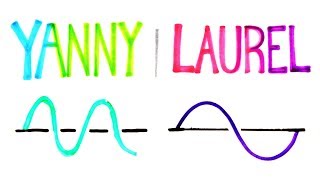




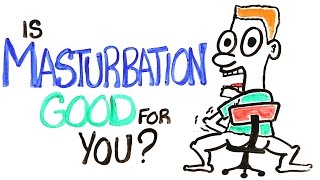

AsapSCIENCE is a mature, highly successful pop-science powerhouse with 10.8M subscribers that excels at turning complex biology, taboo human behaviors, and sustainability experiments into high-retention, evergreen content. Replicating it requires balancing low-cost whiteboard animations with high-production physical experiments.
AsapSCIENCE Niche & Positioning
Accessible, whiteboard-animated, and experimental science explanations of everyday human behavior, taboo bodily functions, and environmental sustainability.
AsapSCIENCE Content Strategy
A dominant core of evergreen, highly searchable videos explaining bodily functions, habits, and mnemonic songs, supplemented by timely deep-dives into global health crises and environmental debates.
AsapSCIENCE Outlier Playbook
the repeatable breakout formulaAsapSCIENCE’s repeatable breakout is: take an intensely personal, slightly embarrassing body/sex/identity question and turn it into a playful science diagnosis of the viewer. The strongest recent outlier is “What your ball size says about you,” which matches the same high-performing lane as “What Your Fetish Says About You,” “Why Your Penis Is Shrinking,” “Why Are Some People SO Horny?,” “Why do gay people sound like that?,” “The Male G-Spot,” and “What Happens When You Quit Porn?” The other repeatable breakout lane is a recurring Science Song sequel with an escalating memorization stunt: “The Pi Song 2.0,” “The Pi Song 3.0,” and now “The Pi Song 4.0 (Memorize 400 Digits Of π).” No guest is
Primary: “What your [taboo/intimate body trait] says about you” or “Why your [intimate body part/identity behavior] is [surprising/scary/weird].” Examples to repeat: “What your ball size says about you,” “What your nipple shape says about you,” “What Your Fetish Says About You,” “Why Your Penis Is S
- 1Pick the next topic from the proven taboo-self-diagnosis bucket: nipples, balls, penis, masturbation, porn, fetishes, horniness, gay voice/look, or another intimate trait people secretly compare thems
- 2Frame the video as a direct personal reveal, not a neutral explainer: use “What your ___ says about you,” “Why your ___ does that,” or “What happens when you ___” so the viewer feels implicated immedi
- 3Open with the most awkward relatable question in the first seconds, then quickly legitimize it with science: hormones, genetics, evolution, anatomy, health correlations, and myth-busting.
- 4Package it in classic AsapSCIENCE style: fast whiteboard/animated visuals, cheeky jokes, clear categories, and a final “so what does this mean for you?” payoff.
- 5Run a second recurring breakout track once per cycle: continue the Pi Song series with a bigger memorization promise, e.g. “The Pi Song 5.0 (Memorize 500 Digits Of π),” because the 2.0/3.0/4.0 sequel
AsapSCIENCE Performance Drivers
AsapSCIENCE Topic Clusters
How Replicable Is AsapSCIENCE
While the whiteboard animation style and 'What Happens When' formats are highly systematic, replicating their success is gatekept by the hosts' established 10M+ subscriber authority, unique musical talent for educational songs, and the high production costs of their off-grid builds.
Who Watches AsapSCIENCE
estimated audienceEstimated from public channel data — titles, descriptions, metadata and co-watched channels. Not YouTube Analytics. high confidence
A highly curious, progressive audience of Gen Z and young Millennials who seek accessible, visually engaging explanations of human biology, sexuality, and sustainability. They are motivated by self-improvement, environmental consciousness, and understanding the science behind everyday habits and taboo topics.
Slightly male-skewed but highly gender-diverse due to inclusive and LGBTQ+ theme
Primarily English-speaking countries, with a strong base in North America
What AsapSCIENCE's Audience Cares About
- Digital fatigue and screen addiction
- Anxiety about climate change and the environment
- Sleep issues and daily stress
- Navigating personal health choices and habits
- Understanding the biological basis of human behavior and identity
- Finding practical, science-backed hacks for daily life
- Staying informed on environmental issues through an optimistic, action-oriented lens
Environmentally conscious, digitally native, health-aware, and socially progressive
- The neurological and physiological effects of recreational substances and lifestyle habits
- Practical DIY sustainability, green technology, and off-grid engineering experiments
- The biological and evolutionary science behind human sexuality and LGBTQ+ identities
- Cognitive illusions, brain hacks, and psychological perception tests
- Debunking popular health, wellness, and environmental myths
Prefers Medium-form (8 to 15 minutes) videos, accessible, curious, humorous, inclusive, and visually engaging.
Inferred from: Co-watch cluster includes pop-science giants like Kurzgesagt and Veritasium alongside self-improvement channels like Tj Power · Frequent content exploring LGBTQ+ biology, taboo anatomy, and sexual health · High engagement on the 'Shut It Off ASAP' off-grid sustainability series and habit-alteration videos
The audience is highly clustered around pop-science, human biology, cognitive psychology, and cultural commentary, showing a strong appetite for self-improvement and understanding modern societal shifts.


Track your whole niche in Competitor Studio
These are just the closest channels. Competitor Studio maps 1,000+ direct & adjacent channels in your niche — with outlier detection and ongoing tracking.
- Track 1,000+ direct & adjacent competitors
- Outlier video detection
- AI-powered video insights
AsapSCIENCE Revenue & Valuation
from public dataBased on your current performance, your business is valued between $79,842 and $407,365, supported by a floor of $61,417 with high confidence. This valuation is driven by your established brand, though executing on key operational levers offers illustrative potential to build further equity value over time.
Estimates derived from public data (earnings history + comparable channels). Not an offer, appraisal, or financial advice.
Frequently asked questions about AsapSCIENCE
- How many subscribers does AsapSCIENCE have?
- AsapSCIENCE has 10.8M subscribers on YouTube, built up over roughly 14.3 years on the platform. Its videos average about 3.7M views each.
- How many views does AsapSCIENCE have?
- AsapSCIENCE has accumulated 2.1B total views across 561 uploads, averaging roughly 397.2K views per day since launch.
- How many videos has AsapSCIENCE posted?
- AsapSCIENCE has published 561 videos on YouTube, with recent uploads averaging about 9:08 in length.
- How engaged is AsapSCIENCE's audience?
- Over its lifetime, AsapSCIENCE has averaged about 192 views for every subscriber, a sign of how far its videos travel beyond the core subscriber base. On a per-video basis it draws roughly 3.7M views.
- How much money does AsapSCIENCE make?
- AsapSCIENCE's estimated YouTube revenue is $6K – $19K per month, including advertising and sponsorships (ad revenue alone is an estimated $4K – $6K per month). These are estimates derived from public data, not exact earnings.
- What is AsapSCIENCE's channel worth?
- AsapSCIENCE's YouTube channel is estimated to be worth $80K – $407K, benchmarked against comparable channels. This reflects the value of the channel as a media asset, not the creator's total net worth.
- What is AsapSCIENCE's most popular video?
- AsapSCIENCE's most-viewed video is "Do You Hear "Yanny" or "Laurel"? (SOLVED with SCIENCE)", with 68.0M views — roughly 74.1× the channel's typical video.
- What is AsapSCIENCE's biggest recent breakout video?
- AsapSCIENCE's biggest recent breakout is "What your ball size says about you", which pulled 2.6M views — about 2.8× the channel's recent median.
- What kind of content does AsapSCIENCE make?
- AsapSCIENCE is best described as Pop-Science & Lifestyle Biology. Accessible, whiteboard-animated, and experimental science explanations of everyday human behavior, taboo bodily functions, and environmental sustainability.
- Does AsapSCIENCE post Shorts or long-form videos?
- AsapSCIENCE publishes primarily long-form videos (about 99% of recent uploads), averaging around 9:08 in length.
- What topics does AsapSCIENCE cover?
- AsapSCIENCE's catalogue spans Substance, Habit & Health Alterations, Off-Grid & Sustainability Experiments (Shut It Off ASAP), Taboo Anatomy, Sex & LGBTQ+ Science, Educational & Mnemonic Songs, Pandemic, Virology & Vaccine Science and Brain, Perception & Cognitive Illusions. These recurring themes make up the bulk of the channel's uploads.
- Who watches AsapSCIENCE?
- AsapSCIENCE's audience skews 18-24, slightly male-skewed but highly gender-diverse due to inclusive and lgbtq+ theme and based primarily english-speaking countries, with a strong base in north america. A highly curious, progressive audience of Gen Z and young Millennials who seek accessible, visually engaging explanations of human biology, sexuality, and sustainability. They are motivated by self-improvement, environmental consciousness, and understanding the science behind everyday habits and taboo topics. These are estimates inferred from public channel data, not YouTube Analytics.
- What is AsapSCIENCE's audience interested in?
- Viewers of AsapSCIENCE tend to be interested in Pop-science and biology, LGBTQ+ culture and queer science, Sustainable living and off-grid DIY, Cognitive psychology and brain hacks and Biohacking and habit optimization. Estimated from the channel's content and the channels its viewers co-watch.
- What channels are similar to AsapSCIENCE?
- Channels with audiences similar to AsapSCIENCE include Veritasium, Kurzgesagt – In a Nutshell, Be Smart, SciShow and Institute of Human Anatomy. The audience is highly clustered around pop-science, human biology, cognitive psychology, and cultural commentary, showing a strong appetite for self-improvement and understanding modern societal shifts.
- How often does AsapSCIENCE post?
- AsapSCIENCE uploads about 0.4 videos per week (roughly 1.6 per month).
- Is AsapSCIENCE still active on YouTube?
- Yes — AsapSCIENCE is actively posting. Its most recent upload was 7 days ago.
- How long has AsapSCIENCE been on YouTube?
- AsapSCIENCE has been active on YouTube for about 14.3 years, growing to 10.8M subscribers over that time.
How this analysis was made
- Source: public YouTube channel & video data (120 recent videos sampled).
- Outlier videos: uploads with ≥1.5× the channel's recent median views.
- Revenue & valuation: estimated from public earnings signals and comparable channels — ranges, not exact figures.
- Last updated: 9/22/2026.